|
Life style diseases are Chronic diseases, often referred to as noncommunicable diseases (NCDs), usually emerge in middle age after long exposure to an unhealthy lifestyle involving tobacco use, a lack of regular physical activity, and consumption of diets rich in highly saturated fats, sugars, and salt, typified by "fast foods." This lifestyle results in higher levels of risk factors, such as hypertension, dyslipidemia, diabetes, and obesity that act independently and synergistically.
Lifestyle diseases refer to diseases that result because of choices people make in their life. They are mostly common in developed nations where people are inclined towards eating unhealthy foods, having a sedentary lifestyle and unhealthy habits like smoking and drinking alcohol. Common lifestyle diseases include heart disease, cancer, Alzheimer’s disease, asthma, chronic liver disease, COPD, diabetes, stroke and osteoporosis. Fortunately most of these diseases can be managed by homoeopathy especially in earlier stages. we discuss only important life style diseases.

Heart disease
Heart disease
is not a single disorder or condition. It refers to a cluster of diseases or
problems in which the heart or the vessels supplying blood to the heart are
damaged and are not able to function in a normal way. For several years, it was
believed that heart diseases occur in older people. But now-a-days, heart
diseases are quite common in young adults, mainly because of sedentary
lifestyle and poor
eating habits.
Heart diseases take years to progress and may begin to develop at a very young
age. However, most people do not show any symptoms of heart diseases before they
reach their 50s or 60s. Some types of heart defects are present at birth. These
are called congenital
heart diseases.
Other more common heart diseases include coronary
heart disease,hypertension, stroke and
peripheral arterial disease. The most common cause of heart diseases is atherosclerosis
and hypertension/high blood pressure. Atherosclerosis is a condition in which
there is deposition of cholesterol and
fatty substances on the walls of arteries, while hypertension is the elevation
of blood pressure in the arteries due various reasons. There are several factors
that increase the risk of heart diseases and associated conditions. These
include age, gender, obesity,
high blood pressure, high cholesterol levels and stress. Factors like weight,
blood pressure and cholesterol levels can be controlled by making dietary and
lifestyle changes to significantly improve cardiovascular health. Few changes
include eating a low fat, high
fibre diet with
fruits and veggies, quitting
smoking, giving
up alcohol,
increasing physical activity and reducing stress.
Types of
heart diseases
There are more
than 60 different forms of heart disease. Here are the most common ones found
among people all over the world.
1. Coronary
heart disease:
Coronary heart disease is also called coronary
artery disease. It affects or damages coronary arteries that supply blood to the
heart.
2. Angina
pectoris: Angina or
angina pectoris is a condition or rather a symptom of coronary heart disease. It
is a feeling of nagging pain, tightness and discomfort in the chest region when
the heart does not receive enough blood.
3.
Cardiomyopathy: Cardiomyopathy is
a condition in which the heart muscle that helps to pump blood throughout the
body becomes weak.
4.
Congenital heart disease: It
is a defect (structural of functional) found in the hearts of individuals, right
at the time of birth.
5. Arrhythmia: It
a condition causing irregular heartbeat due to improper electric impulses
received by the heart. It can either cause the heart to beat very fast (tachycardia)
or very slow (bradychardia)
6.
Congestive heart failure: Heart
failure occurs when the heart is unable to pump blood throughout the body
effectively. Congestive heart failure occurs when excess fluid builds up in the
body because of heart failure, affecting the filtration function of the kidneys
and causing congestion.
7. Atrial
fibrillation: It
occurs due to arrhythmia, when rapid electrical impulse causes the heart to
fibrillate, contract very fast and irregularly.
8. Heart
inflammation (myocarditis and pericarditits):The
heart tissue can get inflamed due to a viral infection of the heart.
9.
Myocardial infarction:
It is a complicated term used for
heart attack,
when the blood supply to the heart is completely blocked due to narrowing of
blood vessels.
10. Ischemic
heart disease: It
is caused when the blood supply to the heart is reduced due to partial block of
blood vessels and can lead to heart attack and other heart disease.
Symptoms
Heart disease
is a silent killer as it progress slowly and is symptomless during the initial
stages. But a person could start developing heart disease at a very young age
and show the symptoms not before reaching 50s or 60s.
Again the signs
or symptoms of heart disease may not be the same for every type. Here are the
most common signs associated with heart disease.
1. Shortness of breath (dyspnoea): Breathlessness or shortness of breath is
commonly encountered in patients with heart disease or heart failure. It is also
a warning sign of heart
attack. Breathing difficulty while exercising or any other physical
exertion may indicate a problem with the heart valves. But it can also be due to
inflammation and weakening of the heart muscle (cardiomyopathy) which results in
improper contraction.
2. Chest pain: Chest pain (angina)
is a classic symptom of heart attack and coronary
artery disease (CAD). In some cases, chest pain is associated with
inflammation of the tissue covering the heart (pericardium). The type and
duration of chest pain is also indicative of the underlying heart disease. Pain
may be described as short-term, constant, stabbing or sharp. It can last for a
few seconds or for hours together.
3. Swelling of feet: Swelling in the feet and ankles is seen in
people with congestive heart failure where the blood pumping capacity of the
heart reduces. This affects the kidneys which respond by retaining more fluid in
body. The fluid then accumulates in the feet and other parts of the body.
4. Cold sweat: A person who is likely to get a heart attack
sooner may start sweating profusely without any physical exertion. Heart failure
results in overactivation of the sympathetic nervous system that causes
sweating.
5. Tiredness or fatigue: Symptoms of heart disease also vary in men
and women. One of the common symptoms of heart failure and heart attack in women
is unexplained overall weakness and fatigue. Fatigue is also common in the
elderly population or people with diabetes who
suffer from heart disease.
6. Irregular pulse rate/palpitations: Strong
heart beat or rapid pulse rate is a common complaint of people visiting a
cardiologist. Most of the times, palpitations do not result from a heart
abnormality but could indicate a heart problem when associated with other
symptoms like shortness of breath, weakness and sweating.
7. Pain in the limbs: Apart from chest pain, some people may
experience intermittent or constant pain in the shoulder that extends to the
entire arm and even the back.
8. Loss of consciousness: Sudden unconsciousness (syncope) is an
emergency that requires immediate medical attention. In several cases it is a
sign that leads to diagnosis of heart disease.
identification of disease
Screening for
heart function is a must, especially if you have non-modifiable risk factors
that increase your susceptibility to heart disease. People who already have high
cholesterol, triglycerides BP need to be extra careful and frequent with
screening of heart function.
Here are some tests that are regularly used for screening
heart diseases.
1. Blood tests: Blood
tests are a basic and the most important diagnostic test used for screening
heart diseases like and heart failure coronary
artery disease.
Your blood contains various biomarkers that are useful for identifying factors
contributing to heart disease.
·
Blood glucose level:
Tells you if you’re a diabetic
·
Lipids and triglycerides level: Tells you if you have high cholesterol
·
Fribinogen level:
Tells you if you are at a risk of blood clot
·
C-reactive protein:
Tells you if you have atherosclerosis
2. X-ray: Chest X-ray
is a simple, useful imaging test for diagnosing a lot of heart conditions like
congestive heart failure, enlargement of the heart and heart infections.
3. ECG: ECG
or electrocardiogram is a useful test to assess heart rhythm and related heart
conditions. It measures electrical activity of the heart. In this test,
electrodes are attached to the patient’s chest, legs and arms. These electrodes
are connected at the other end to an ECG device. The signals from these
electrodes are received and captured by the device and an electrocardiograph is
generated.
ECG is taken in patient who is experiencing symptoms like chest pain, shortness
of breath, dizziness, fainting or has palpitations. Some common conditions that
are diagnosed using this method are arrhythmias, myocarditis, enlargement of the
heart etc. While, most heart related conditions can be diagnosed or identified
by an ECG but some conditions like irregular heart beats or angina might not
show any significant change in your ECG readings.
4. Stress test: A stress test is a test that helps
determine the level of strain that your heart can handle (and has nothing to to
with mental stress). A simple exercise stress test can identify how well your
heart functions under exertion. The test uses an ECG device to record electrical
activity of the heart while exercising. So the patient is instructed to perform
activities like walking on the treadmill or riding a stationary bicycle.
5. CT scan: A CT scan or a computed tomography
scan uses the X-ray imaging technology to generate a three-dimensional image of
the heart and the nearby arteries. A CT scan is usually suggested to detect
arteries narrowed as a result of plaque deposition (in atherosclerosis).
6. Echocardiography: Echocardiography is
basically real-time imaging of the heart (similar to sonography). It makes use
of high-frequency radio waves to determine aspects like the size and the
structure of the heart while it performs the function of pumping blood. It is
especially helpful in diagnosis of valvular heart disease, which remains silent
for several years.
7. MRI: MRI
or Magnetic Resonance Imaging is another imaging test used to obtain detailed
images of the heart structure. It helps to identify irregularities in the heart
muscle and valves. It detects irregular or disrupted blood flow pattern,
typically seen in ischemic heart disease. Coronary MRI helps to detect
congenital abnormalities of coronary arteries.
8. Holter Monitoring: A more advanced method of determining and
recording heart beats or electrical activity of the heart is the Holter
monitoring test (or dynamic electrocardiography). It is expensive and requires
the patient to have the electrodes attached to the chest for a period of 24-48
hours. A mini recorder that
monitors the heart rhythms can be kept in the pocket or
worn around the neck. The test is usually used to diagnose brachyardia (slow
heart rate), atrial fibrillation, palpitations and arrhythmia.
It is also used for patients who have suffered a recent heart
attack.
HOMOEOPATHIC MANAGEMENT OF DISEASES AFFECTING HEART IN OUR CLINIC
IN OUR
CLINIC WE REPERTORISE THE PATIENT’S
wholistic
aspect INCLUDING LIFE STYLE, FOOD HABITS, PSYCHOLOGICAL FACTORS
WHICH ALL CONTRIBUTE TO HEART DISEASE
A HOMOEOPATHIC BOOK CALLED
SYNTHESIS REPERTORY
mentions about 989 SYMPTOMS AND CORRESPONDING MEDICINES RELATED TO HEART ARE
MENTIONED IN VARIOUS CHAPTERS.IMOPRTANT ONES ARE IN CHAPTER CHEST.
Heart failure is mentioned in
chest which has about 51 remedies. It also mentions about 201 remedies for heart
related complaints. Heart complaints related to myocardium has 11 remedies.
Anginal pain has about 148 remedies.
Diabetes
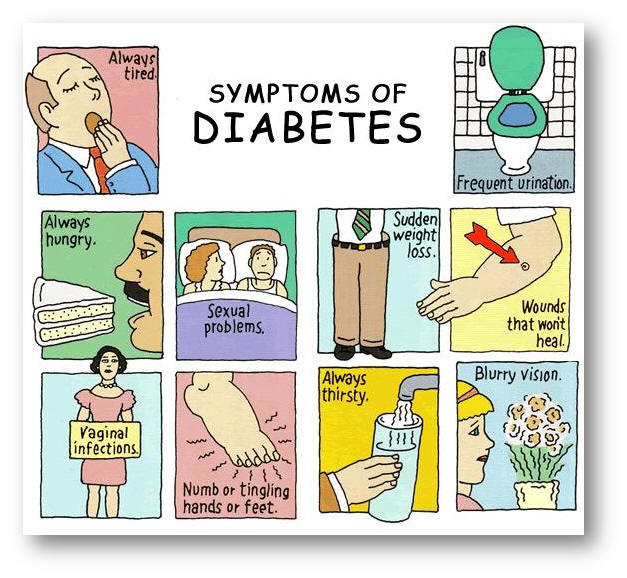
Diabetes,
often referred to by doctors as diabetes mellitus, describes a group of
metabolic diseases in which the person has high blood glucose (blood sugar),
either because insulin production is inadequate, or because the body's cells do
not respond properly to insulin, or both. Patients with high blood sugar will
typically experience polyuria (frequent urination), they will become
increasingly thirsty (polydipsia) and hungry (polyphagia).
·
FORMATION OF
DIABETES: Glucose comes from the foods you eat. Insulin is a hormone that helps
the glucose get into your cells to give them energy. The two types of diabetes
are referred to as type 1 and type 2. Former names for these conditions were
insulin-dependent and non-insulin-dependent diabetes, or juvenile onset and
adult onset diabetes. With type 1
diabetes, your body does not make insulin. With type
2 diabetes, the more common type, your body does not make or use insulin well.
Without enough insulin, the glucose stays in your blood. You can also have prediabetes.
This means that your blood sugar is higher than normal but not high enough to be
called diabetes. Having prediabetes puts you at a higher risk of getting type 2
diabetes.
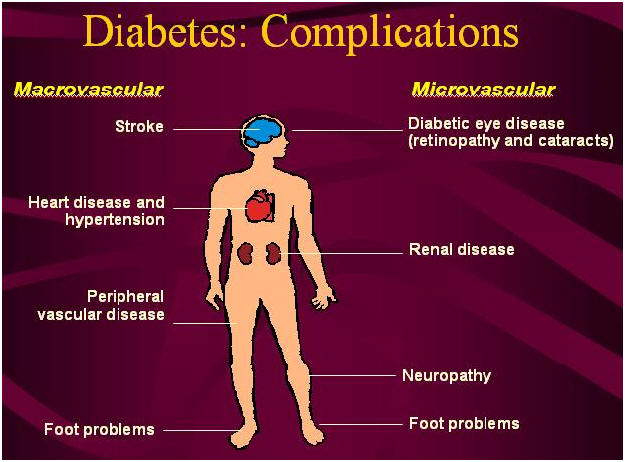
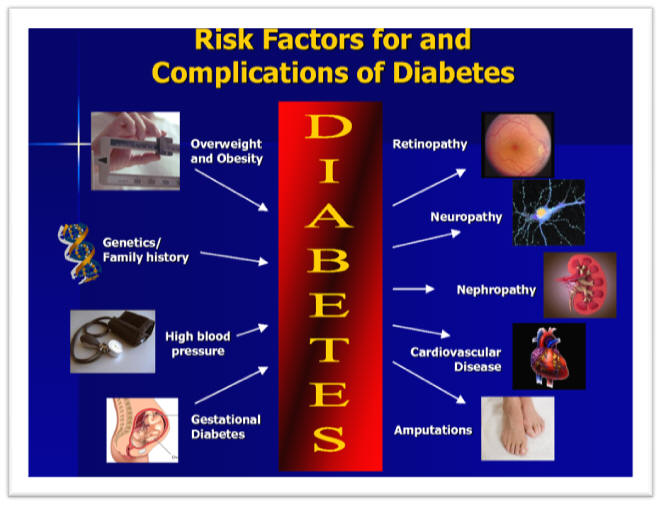
Over time, having too much glucose in your blood can cause serious
problems. It can damage your eyes, kidneys,
and nerves. Diabetes can also cause heart
disease, stroke and even the need to remove a limb. Pregnant women can also get
diabetes, called gestational
diabetes.
A blood test can show if you have diabetes. Exercise, weight
control and sticking to your meal plan can help control your diabetes. You
should also monitor your glucose level and take medicine if
prescribed.
HOMOEOPATHIC
MANAGEMENT OF DIABETES IN OUR CLINIC
IN OUR
CLINIC WE REPERTORISE THE PATIENT’S
holistic aspect of
the patient
CONSIDERING ALL ASPECT INCLUDING LIFE STYLE, FOOD HABITS, PSYCHOLOGICAL FACTORS
WHICH ALL CONTRIBUTE TO HEART DISEASE
A HOMOEOPATHIC BOOK CALLED
SYNTHESIS REPERTORY
mentions about 94 SYMPTOMS AND CORRESPONDING MEDICINES RELATED TO DIABETES.
DIABETES
MELLITUS has about 169 remedies in the chapter generals. For DIABTETES INCIPIDUS
92 Remedies are mentioned.

Dyslipidemia(HIGH CHOLESTEROL/HYPERCHOLESTEROLEMIA)
Dyslipidemia is
an abnormal amount of lipids (e.g. cholesterol and/or fat) in the blood. Cholesterol is a waxy substance that's found in the fats (lipids)
in your blood. While your body needs cholesterol to continue building healthy
cells, having high cholesterol can increase your risk of heart disease.
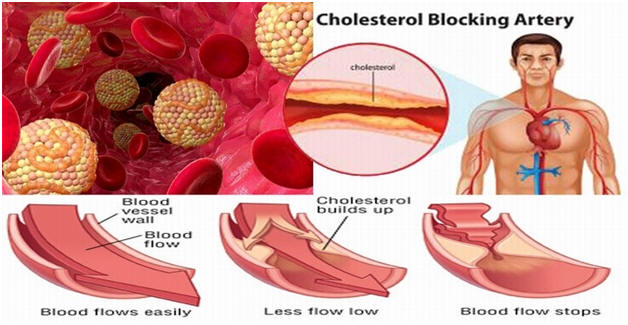
When you have high cholesterol, you
may develop fatty deposits in your blood vessels. Eventually, these deposits
make it difficult for enough blood to flow through your arteries. Your heart may
not get as much oxygen-rich blood as it needs, which increases the risk of a
heart attack. Decreased blood flow to your brain can cause a stroke.
High cholesterol
(hypercholesterolemia) can be inherited, but it's often the result of unhealthy
lifestyle choices, and thus preventable and treatable. A healthy diet, regular
exercise and sometimes medication can go a long way toward reducing high
cholesterol.
Cholesterol is carried through your blood, attached to
proteins. This combination of proteins and cholesterol is called a lipoprotein.
You may have heard of different types of cholesterol, based on what type of
cholesterol the lipoprotein carries. They are:
1.
Total
cholesterol:
Total cholesterol is a direct cholesterol measurement that measures all
cholesterol molecules in the blood, including low density lipoproteins (LDL),
high density lipoproteins (HDL), and very low
density lipoproteins (VLDL). A total
cholesterol measurement is the most common type of measurement used in a lipid
profile, including home cholesterol tests and
cholesterol tests performed in a healthcare provider’s office.
2.
Low-density
lipoprotein (LDL), also known as “bad cholesterol” –
if you have too much LDL, you may be at risk for cardiovascular disease. This
type of cholesterol is linked to a buildup of plaque in your arteries, which can
obstruct proper blood flow to the heart and other organs. The higher your LDL,
the higher your risk of heart disease.
3.
Very-low-density lipoprotein (VLDL). This
type of lipoprotein contains the most triglycerides, a type of fat, attached to
the proteins in your blood. VLDL cholesterol makes LDL cholesterol larger in
size, causing your blood vessels to narrow. If you're taking
cholesterol-lowering medication but have a high VLDL level, you may need
additional medication to lower your triglycerides.
4.
High-density lipoprotein (HDL), also known as “good cholesterol” –
HDL brings cholesterol from other parts of your body back to your liver, which
will remove the harmful cholesterol from your body. High HDL levels seem
protective against heart disease, while low HDL is associated with increased
risk of heart disease.
5.
Triglycerides –
this term refers to fat in the blood. This is a kind of fat that people eat,
found mostly in vegetable oil and animal fats. When it exists in high levels in
your blood, it can signal increased risk for cardiovascular
disease, because triglycerides also contribute to a buildup of plaque in your
arteries.
High cholesterol has no symptoms. A blood test is the only way to detect high
cholesterol.
|
You're
more likely to have high cholesterol that can lead to heart disease if
you have any of these risk factors
|
|
·
Smoking. Cigarette
smoking damages the walls of your blood vessels, making them likely to
accumulate fatty deposits. Smoking may also lower your level of HDL, or
"good," cholesterol.
|
|
·
Obesity. Having
a body mass index (BMI) of 30 or greater puts you at risk of high
cholesterol.
|
|
·
Large waist circumference. Your
risk increases if you are a man with a waist circumference of at least
40 inches (102 centimeters) or a woman with a waist circumference of at
least 35 inches (89 centimeters).
|
|
·
Poor
diet. Foods
that are high in cholesterol, such as red meat and full-fat dairy
products, will increase your total cholesterol. Eating saturated fat,
found in animal products, and trans fats, found in some commercially
baked cookies and crackers, also can raise your cholesterol level.
|
|
·
Lack
of exercise. Exercise
helps boost your body's HDL "good" cholesterol while lowering your LDL
"bad" cholesterol. Not getting enough exercise puts you at risk of high
cholesterol.
|
|
·
Diabetes. High
blood sugar contributes to higher LDL cholesterol and lower HDL
cholesterol. High blood sugar also damages the lining of your arteries.
|
Obesity
Obesity means excessive or abnormal fat accumulation in the
body, which can cause several health problems. Obesity or being overweight is
tied to several health problems like diabetes, cholesterol, heart ailments,
chronic diseases, infertility and colon cancer.
3 conditions for improving obesity
Ø
Proper diet
Ø
Proper exercise
Ø
Homeopathic medicine
|

 Home
Home


 PALAKKAD
WEBS
PALAKKAD
WEBS